Understanding the differences between hibernation, brumation, and estivation can be tricky because there are many different species of animals that use these survival tactics when their environment is not ideal. Animals will go through either hibernation, brumation, or estivation to adapt and survive in different environments.
Not all animals will experience a dormancy period when their environments become too harsh for survival, and the common reason animals will enter hibernation, brumation, or estivation is when there are limited food sources, they need to conserve energy, or the weather is too hot or too cold for optimal survival.
It is fascinating to see how animals have evolved to adapt to their environmental conditions to survive in their various habitats.
Overview of Hibernation:
Image Credit: NajaDynim, Pixabay
Hibernation happens when an endothermic (warm-blooded) mammal enters a state of dormancy either due to scarce food in cold temperatures or due to biological obligation as a survival mechanism.
How it Works
Hibernation is a survival mechanism that allows animals to conserve energy by decreasing their metabolic rate and lowering their body temperature drastically. In animals, hibernation will usually allow them to survive in very cold temperatures that occur in winter so that they do not have to migrate or search for food in a warmer place.
Hibernating animals will slow down their metabolism to reserve energy and they become dormant by falling into a very deep state of unconsciousness. Their heart rate and breathing will slow down as they enter a state of inactivity and deep sleep.
There are two different types of hibernation—facultative hibernation which happens when animals hibernate because food is scarce due to cold temperatures, and obligate hibernation, which happens regardless of temperature changes. Obligate hibernation works by seasonal cues that the animal responds to rather than stress from poor environmental conditions like cold weather which will trigger facultative hibernation in some animals.
Which Animals Hibernate?
Bears
Squirrels
Bats
Hedgehogs
Prairie dogs
Skunks
Deer mice
What Is the Purpose Of Hibernation?
Animals hibernate for different reasons, and factors such as temperature and resources such as food and water availability play a role in an animal’s hibernation. This allows them to use far less energy and survive without drinking or eating for a long time. Most animals that enter facultative hibernation will enter a coma-like sleep due to cold temperatures that affect their food and water sources. During hibernation, the animal does not need to consume food or water as it survives on what it has stored from the previous months.
Animals that enter obligate hibernation become inactive every year during the same months and may occasionally wake up and then re-enter this state of hibernation. Hibernation can last from days to months, with facultative hibernation happening during cold weather conditions when food becomes scarce. The main purpose of hibernation is for survival during low temperatures or to preserve energy.
Overview of Brumation:
Image Credit: PublicDomainImages, Pixabay
Brumation usually happens in ectothermic (cold-blooded) animals when the temperature drops for extended periods and is mainly seen in reptiles and amphibians because they do not have access to a heat source in their environment. Brumation is often confused with facultative hibernation, which occurs in mammals.
How it Works
Animals brumate when they are unable to generate their body heat, as ectothermic animals depend on heat sources from the environment to regulate their body temperatures. If the temperature drops very low for a long time, they will brumate and enter a dormant state. In this state, the animal’s heart rate, breathing, and activity levels will decrease, and they enter what is described as a dormant or unconscious state.
The duration of the brumation period varies between the different species, however, it can last anywhere from 3 to 6 months and the lethargic state the reptile or amphibian is in will be broken once the environmental temperatures begin slowly warming up.
Which Animals Brumate?
Fire salamander
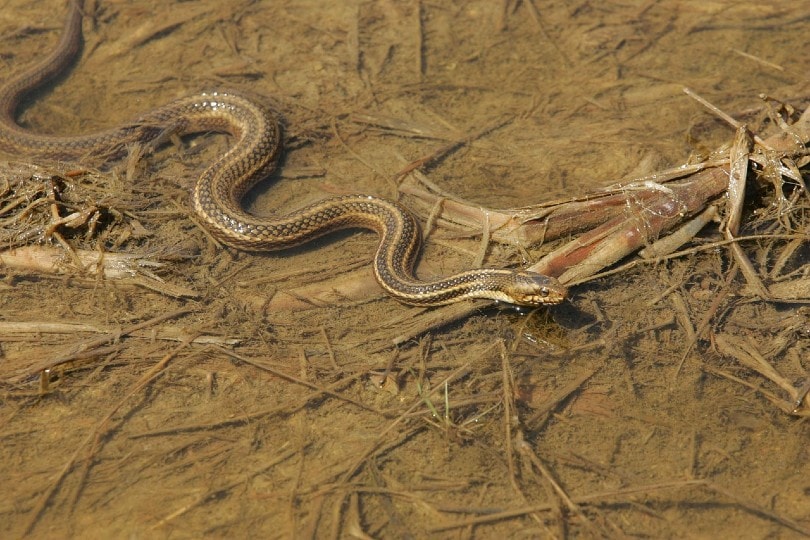
Common garter snake
Pond slider
Common frog
Tortoises
What Is the Purpose Of Brumation?
The main purpose of brumation is to conserve energy, and the animal will still need to wake up occasionally for food and water. Low temperatures can cause a reptile to brumate to lower their metabolism so that they can survive in cold temperatures as they cannot control their body temperature on their own. The reptile’s metabolism shuts down, which means that they do not digest any food and the cold temperatures also affect their digestion.
Overview of Estivation:
Image Credit: Piqsels
Estivation (also known as aestivation) happens when an animal becomes inactive in hot, dry environments.
How it Works
During Estivation, animals will lower their heart and breathing rate while slowing down their metabolic rate to conserve energy during harsh hot and dry weather conditions that put the animal at risk of dehydration. The dry and hot conditions trigger a state of dormancy in the animal usually during summer and it can occur in both aquatic and terrestrial animals.
When an animal is estivating, it can quickly be brought back out of its lethargic state and before an animal estivates, it will go through a similar process as hibernation. Estivation can last for the entire summer months to only a few days depending on the environmental conditions. The animals will usually search for a shady and sheltered spot before entering estivation, while others may burrow underground in a watertight layer.
Which Animals Estivate?
Land snails
Bogong moths
California red-legged frog
East African hedgehog
Malagasy fat-tailed dwarf lemur
North American desert tortoises
Crocodiles
What Is the Purpose Of Estivation?
The main purpose of estivation in animals is to conserve energy and survive in very hot or dry weather conditions that are not favorable. Animals will also estivate to stabilize their body organs which may be compromised during hot weather, and they may go through it to prevent dehydration by slowing down their body functions. They will not be in a complete deep state of dormancy like brumation or hibernation, but they will go through a similar period in preparation for estivation.
What Are the Main Differences?
Hibernation
Brumation
Estivation
Occurs in endothermic (warm-blooded) mammals
Occurs in ectothermic (cold-blooded) animals
Occurs in both endothermic and ectothermic animals
Happens in cold-weather conditions
Happens in cold-weather conditions
Happens in hot and dry conditions
Can last from days to months
Typically lasts for 3–6 months
Lasts from a day to several months
Survive off energy reserves from water and food they have consumed beforehand
Wake up to drink and eat occasionally
Move on cooler days
Conclusion
Hibernation, brumation, and estivation are all forms of survival for different animals to adapt to extreme environmental conditions. It is the animal’s way of conserving energy and stabilizing their organs during either winter or summer when temperatures can either drop very low to the point where food is scarce or due to extremely hot weather where they need to stay cool and prevent dehydration.
Hibernation only occurs in warm-blooded mammals under obligate or facultative hibernation, whereas brumation occurs in reptiles and amphibians during cold temperatures, and estivation during very hot and dry conditions, all helping the animal to survive in harsh conditions.
All three can be a biological response and instinct for the animal due to seasonal changes, and they may prepare for either hibernation, brumation, or estivation from instinct.